




An RFID check-in/check-out system uses radio frequency identification to manage and track fixed asset inventory, cutting down on manual errors and boosting efficiency. This article will explain how these systems work, highlight the benefits of systems like Grey Trunk RFID and offer tips for seamless implementation.
Key Takeaways
- RFID check-in/check-out systems enhance asset tracking by accurately monitoring fixed asset inventory, reducing lost equipment and improving operational efficiency through automation.
- Choosing the right RFID tags, considering environmental factors and ensuring system compatibility are critical for effective implementation and optimal performance.
- Ongoing maintenance, including software updates and hardware upkeep, are essential to sustain the efficiency and functionality of RFID systems over time.
How RFID Check-In/Check-Out Systems Work
RFID technology operates on basic principles involving the use of radio waves to identify and track tags attached to objects. The system uses passive tags and fixed readers to help with monitoring key items, ensuring efficiency and precision in tracking. A scanner that uses radio waves is required to implement radio frequency identification for fixed asset inventory management. Imagine walking into a warehouse where every item is tagged and an RFID reader instantly updates your fixed asset inventory system as you check items in and out. This is the power of RFID check-in/check-out systems.
The key benefits of using RFID check-in/check-out systems are numerous:
- They address issues such as lost equipment, inefficient handoffs, and asset mismanagement.
- RFID asset tracking is designed to accurately and securely track physical assets, enhancing traceability and accountability.
- Automation allows businesses to achieve unprecedented speed and precision in their operations.
Components of an RFID System
An RFID system comprises several key components that work together seamlessly. The first component is the RFID tag, which:
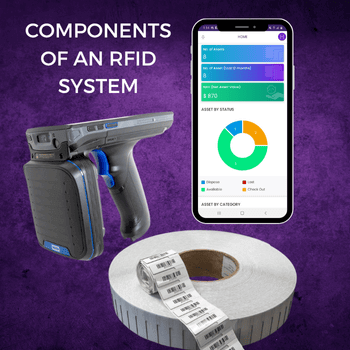
- Stores and transmits information about items.
- Comes in various sizes.
- Varies in cost.
- Has different communication qualities depending on their frequency output.
The second essential component is the RFID reader, which emits radio waves to communicate with the devices and tags. RFID readers can be fixed or mobile, depending on the specific application.
The third component is the RFID software, like Grey Trunk RFID, which processes data from the readers and integrates it into business systems for efficient asset management. Together, these components create a robust RFID system that can track and manage fixed asset inventory with remarkable accuracy and efficiency, supported by the combination of an RFID reader, RFID tags and Grey Trunk RFID Fixed Asset Tracking Software. If you’re looking to track inventory that sells quickly instead of your fixed assets like IT equipment or construction tools, you’ll want to take a look at QuickTrack RFID.
Imagine a scenario where every tagged item in your fixed asset inventory is accounted for, providing you with data on tagged items that is both accurate and actionable. You can easily scan items to ensure everything is accounted for when you have a system set up for your fixed asset inventory.
If you’re looking for an easy way to get started with RFID, our EasyRFID bundle includes 300 RFID tags of your choice (on-metal and standard), one Bluetooth handheld RFID reader and a one month free trial of Grey Trunk RFID asset tracking software.
Selecting the Right RFID Tags
Choosing the appropriate RFID tags is essential for the system’s effectiveness. RFID tags are vital for tracking and managing items. When choosing tags, it’s important to consider the environment where they will be used and the type of assets being tracked. You can choose from three types of RFID tags. These are Active, Passive, and Semi-Passive. Each type has its advantages and is suitable for different applications.
For fixed asset inventory management, passive RFID tags are an excellent choice due to their low cost and simplicity. On the other hand, active RFID tags are used for their extended range and functionality, making them a solid option for tracking high-value assets over longer distances. Additionally, RFID fixed asset inventory plays a crucial role in optimizing these processes.
Understanding the specific needs of your fixed asset inventory management system helps in selecting the most suitable RFID tags for optimal performance.
Passive vs. Active RFID Tags
Passive RFID tags are often preferred for their cost-effectiveness and simplicity. These tags do not have an onboard power source, making them less expensive but also limiting their range. Typically, passive RFID tags are suitable for fixed asset inventory management tasks where the items are within a shorter range of the RFID reader.
Active RFID tags, in contrast, come with battery-powered transmitters that allow them to operate over long distances. This means that they are an option for tracking high-value assets that may be spread out over larger areas. However, their cost can be very prohibitive to those looking to get into RFID asset tracking.
We suggest using passive RFID tags to build a comprehensive fixed asset inventory management system due to their combination of cost-effectiveness and ease of use.
Environmental Considerations
Environmental factors play a significant role in the effectiveness of RFID tags. For instance, metal surfaces can disrupt signal transmission, leading to reduced performance in RFID systems. In such cases, special RFID tags designed to work on metal surfaces may be required. This type of tag can be seen with the durable Universal RFID Product Line from Metalcraft. Similarly, harsh environments can affect the performance of RFID tags, necessitating the use of rugged tags that can withstand extreme conditions.
Choosing the right RFID tags for your specific environment is crucial to maintaining efficiency and accuracy in your tracking systems. Imagine deploying standard RFID tags in manufacturing plants filled with metal objects only to find that signal interference renders the system ineffective.
Considering environmental factors ensures reliable performance of your RFID system under various conditions.
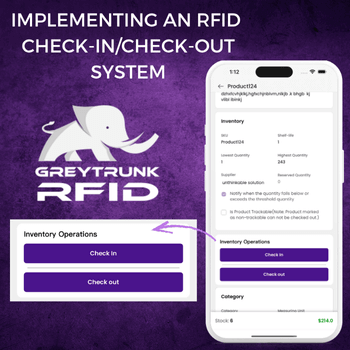
Implementing an RFID Check-In/Check-Out System
Implementing an RFID check-in/check-out system requires careful planning and clear objectives. Key considerations include:
- Defining specific goals for the system to guide the implementation process and measure success, such as improving inventory accuracy or reducing check-in/check-out times.
- Understanding the current technology landscape.
- Identifying potential gaps that RFID can address for successful integration.
The importance of planning for scalability cannot be overstated. As your business grows, your RFID system should be able to accommodate increased demand. With the RFID market projected to experience significant growth, investing in scalable solutions today can save time and resources in the future.
Defining Objectives and Goals
Defining clear objectives and goals is the first step in implementing an RFID system. These objectives guide the entire implementation process and help measure success. Setting specific goals, such as improving fixed asset inventory accuracy or reducing check-in/check-out times, allows you to evaluate the system’s performance and achieve desired outcomes.
You’ll need to make sure that your RFID fixed asset tracking software is compatible with your organization’s workflow and way of doing things. Addressing compatibility issues upfront helps avoid costly delays and ensures a smoother implementation process.
Infrastructure Requirements
A flexible infrastructure is essential for supporting additional RFID readers and tags, ensuring scalability as your needs grow. Using a modular system design allows for easier expansion of the RFID system. For instance, cloud solutions can provide scalable data storage and processing capabilities, making it easier to manage large volumes of data.
Regular maintenance, including hardware upkeep and periodic calibration, ensures the system remains efficient and reliable to monitor performance within the line of sight.
Addressing these existing infrastructure requirements helps create a robust RFID system that meets operational needs and leverages advanced technologies.
Pilot Testing
Conducting a pilot test is essential to identify potential issues before full-scale deployment of the RFID system. Pilot testing minimizes the risk of disruptions or failures during deployment. During this phase, it’s crucial to test hardware functionality and the check-in/check-out process to ensure everything works as expected.
Verification of seamless integration with existing systems is also necessary during pilot testing. Once the pilot test is successful, you can proceed with full-scale deployment to streamline operations, confident that the system will meet your operational needs.
Reducing Human Error
RFID technology minimizes manual process input by automating data capture through an automated system, significantly decreasing the likelihood of human errors in fixed asset inventory management. Imagine the labor hours saved and the accuracy gained by not having to manually scan each item. RFID systems offer several advantages:
- They can read multiple tags simultaneously.
- They reduce the chances of missing items during fixed asset inventory checks.
- They reduce the chances of miscounting items during fixed asset inventory checks.
In retail settings, RFID has been shown to reduce labor hours related to fixed asset inventory tasks by 10-15%. This automation not only streamlines operations in the retail industry but also reduces the risk of reducing theft and loss, further improving efficiency and accuracy.
Data Collection and Reporting
Data collection through RFID systems enhances fixed asset inventory accuracy, reduces theft and optimizes operational efficiency. Access to asset tracking data allows businesses to make informed decisions quickly, enhancing overall responsiveness to market changes. Imagine having a dashboard that provides visibility into your fixed asset inventory, enabling you to make prompt decisions based on accurate data.
Ongoing Maintenance
Ongoing maintenance is crucial for the sustainability and efficiency of RFID systems. Costs for tag replacement can vary depending on usage and wear, necessitating a budget for regular replacements. Imagine the inconvenience of an RFID system failing due to lack of maintenance; regular upkeep is essential to avoid such scenarios.
Key aspects of maintaining RFID systems include:
- Software updates to ensure the system remains secure and operates with the latest features.
- Technical support to quickly address any issues.
- Planning for ongoing maintenance to ensure the long-term success of RFID systems.
Summary
In summary, RFID check-in/check-out systems offer numerous benefits, including enhanced efficiency, traceability and accountability. By understanding how RFID technology works and selecting the right components, businesses can significantly improve their fixed asset inventory management processes. The key to a successful implementation lies in careful planning, including defining clear objectives and goals, ensuring compatibility with your organization’s workflow and conducting thorough pilot testing.
If you’re looking to try out the power of Grey Trunk RFID Fixed Asset Tracking Software for yourself, now’s the perfect time to start our 30-day free trial!