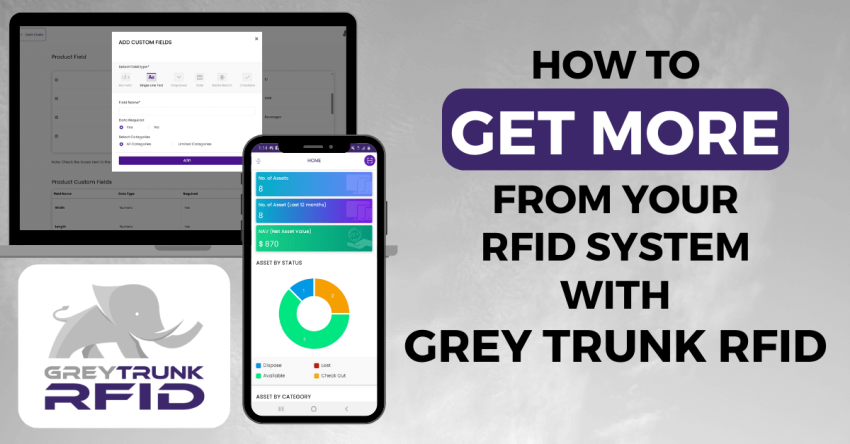
Implementing RFID is a major step toward improving asset visibility, eliminating manual processes, and increasing operational efficiency. But simply deploying tags and readers isn’t enough. To truly maximize your return on investment, you need to leverage your system strategically.
If you’re using Grey Trunk RFID for asset tracking and fixed asset management, here are practical ways to get even more value from your system.
Start with a Smart Tagging Strategy
Your RFID system is only as strong as your tagging foundation.
Make sure:
- The correct tag type is selected for each asset category.
- Tags are placed consistently in a standardized location.
- High-value or high-movement assets receive durable, long-life tags.
Grey Trunk RFID works with a wide range of tag options, so aligning the tag type with your environment (metal assets, IT equipment, warehouse inventory, tools, etc.) ensures stronger read rates and fewer scanning issues.
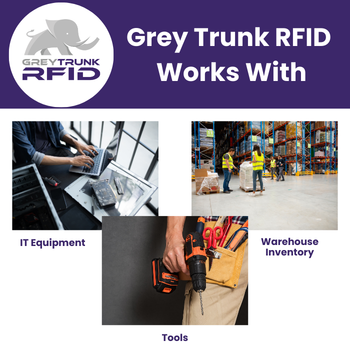
A consistent tagging strategy improves inventory speed, reduces missed reads, and increases long-term data accuracy.
Optimize Reader Settings for Your Environment
Every facility is different. Warehouse layouts, shelving density, metal racking, and asset proximity can all affect read performance.
Reader configurations allow you to:
- Adjust read power levels.
- Reduce over-reading from adjacent areas.
- Fine-tune performance for tighter inventory zones.
If your scans feel inconsistent or you’re picking up items outside your intended range, small reader adjustments can dramatically improve accuracy.
Move Beyond Annual Audits with Frequent Cycle Counts
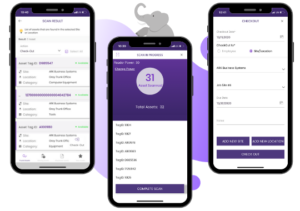
One of the biggest advantages of RFID is speed. Instead of waiting for an annual inventory audit, Grey Trunk users can conduct regular cycle counts in minutes rather than days.
Frequent cycle counts help you:
- Identify missing or misplaced assets sooner.
- Improve compliance reporting.
- Reduce shrinkage.
- Maintain real-time asset accuracy.
Because Grey Trunk’s platform updates instantly, you gain immediate visibility into discrepancies and can resolve issues quickly.
Use Grey Trunk’s Reporting to Drive Smarter Decisions
RFID isn’t just about finding assets — it’s about understanding how they’re used.
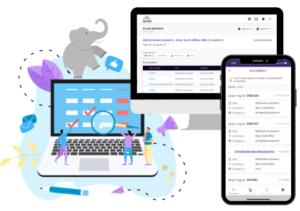
Grey Trunk RFID provides reporting tools that help you analyze:
- Asset utilization rates
- Location history
- Check-in/check-out activity
- Inventory trends
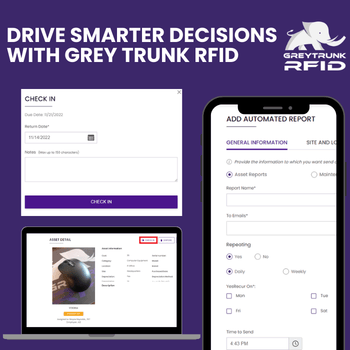
This data can reveal underused equipment, reduce unnecessary purchases, and support better capital planning. Many organizations find that the savings generated from improved asset visibility far exceed the cost of implementation.
If you’re not regularly reviewing your reports, you’re leaving valuable insights on the table.
Strengthen Workflows with Team Training
Technology works best when your team is confident using it.
Grey Trunk RFID is designed to be intuitive, but regular refresher training ensures:
- Proper scanning techniques
- Consistent check-in/check-out processes
- Accurate data entry
- Better adoption across departments
A well-trained team reduces errors, improves data integrity, and ensures your RFID system supports — rather than complicates — daily operations.
Schedule a System Health Check
As your organization grows, your asset tracking needs evolve. What worked during initial deployment may need refinement as asset volume increases or workflows change.
A periodic Grey Trunk system review can help:
- Identify workflow bottlenecks
- Improve read accuracy
- Optimize reporting configurations
- Ensure your tagging strategy still aligns with your operations
Sometimes small adjustments lead to major efficiency gains.
Getting the Full ROI from Grey Trunk RFID
Grey Trunk RFID is more than a simple tool — it’s a complete asset visibility platform. When tagging strategy, reader optimization, reporting and team training work together, organizations experience:
- Faster inventory counts
- Higher asset accuracy
- Reduced equipment loss
- Improved compliance
- Smarter financial planning
If you’re already using Grey Trunk RFID, now is the perfect time to evaluate whether you’re leveraging its full capabilities.
And if you’re just getting started, building strong processes from day one will ensure long-term success.